The Game Plan:
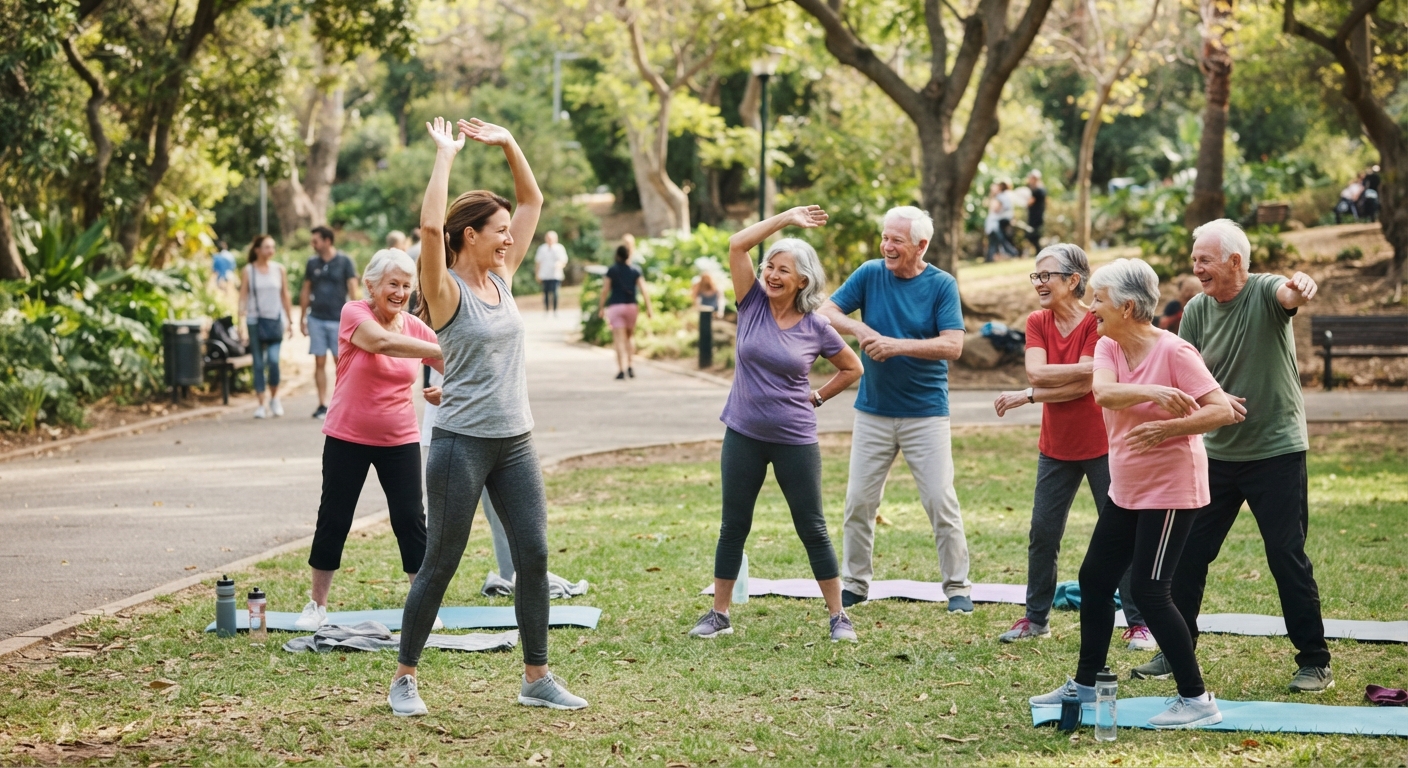
For older adults and seniors, an indoor walking workout can be a safe, simple form of exercise that fits easily into daily life. Walking inside your home or a senior center lets you stay active without depending on outdoor conditions. An activity built around low-impact movements, such as stepping in place, can be gentle on your joints while gradually raising your heart rate.
In my experience, this kind of routine feels less intimidating than a traditional workout, which makes it easier to turn physical activity into a healthy routine. For seniors, walking is also a common physical activity, and staying indoors means you can continue moving year-round, regardless of the weather.
As experts often emphasize, regular movement matters, yet mobility and range of motion may become more of a challenge with age. This is particularly relevant during colder months, when going outdoors may be difficult because of heavy snowfall, ice accumulation, or strong winds. Instead of putting your walking shoes away during the winter months, indoor walking provides a convenient way to keep exercising safely.
What Are the Benefits of Indoor Walking for Seniors?
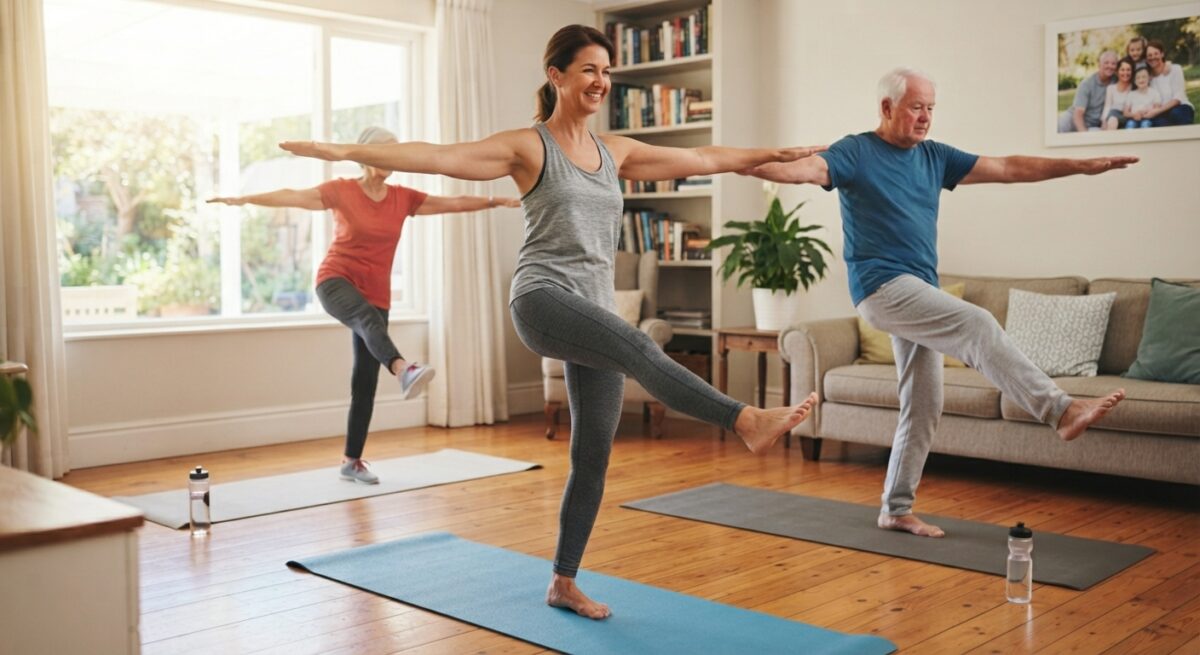
- Supports heart health: Brief walking sessions and regular walking sessions provide simple physical activity and short bursts of movement that may support physiological changes and psychological changes in older adults.
- Helps circulation: Regular daily movement can encourage better blood flow to the extremities, which may help lower the risk of blood clots, especially for seniors who spend long periods sitting.
- Supports muscles and bones: 10 minutes of walking cannot replace strength training, but it can help maintain muscle mass and bone density. As a weight-bearing activity, walking may support bone formation and help manage osteoporosis.
- Works key muscle groups: Supporting your body weight during walking engages several muscle groups, including the legs, core, and arms, particularly when you maintain proper form.
- Improves balance: Regular walking practice can support balance and coordination, which may help seniors move with greater confidence and reduce the chance of falls.
- May reduce stress: A regular walking program may help people experiencing psychological distress and contribute to decreased symptoms of stress. Even a few minutes of indoor movement can be a practical way to add activity to the day.
- Offers a safer indoor option: Nature can benefit the brain, but walking outdoors is not always suitable because of rough terrain, bad weather, air quality, or mobility challenges. When an outside stroll is difficult, indoor walking provides a practical alternative.
Complete 10-Minute Routine For a Simple Indoor Walking
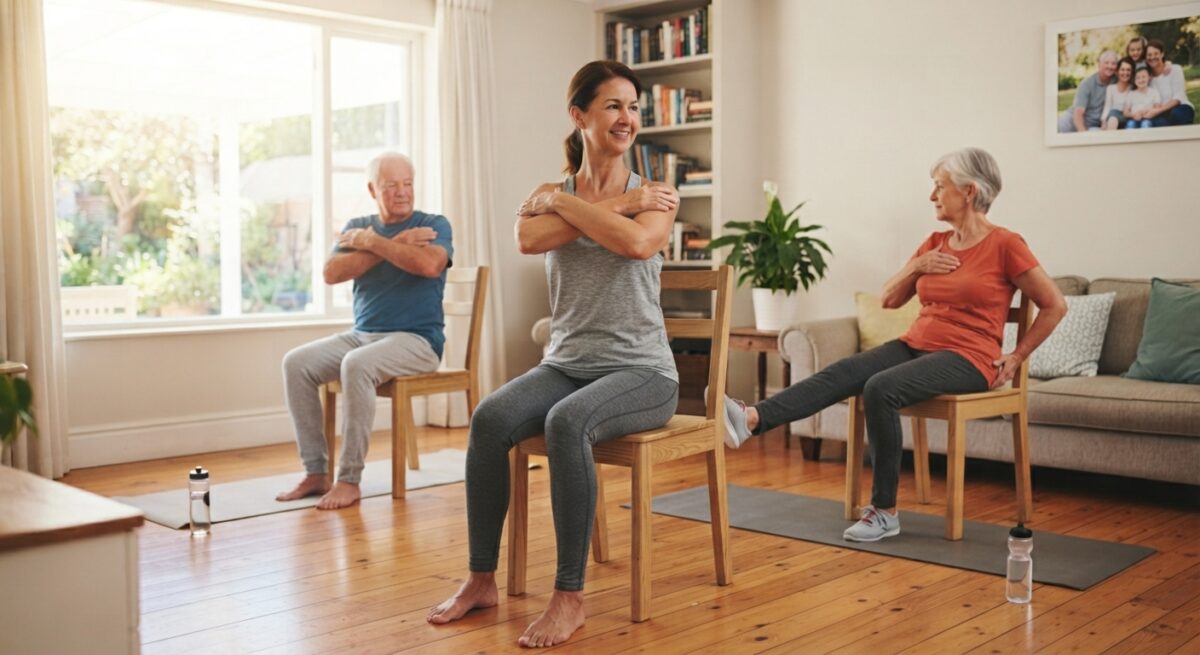
For seniors, indoor walking workouts can be kept simple and easy enough to fit into any day. A hallway, living room, or a small circuit around safe spots at home can work well. From a practical exercise perspective, I find that adding gentle turns, stopping to march in place, and changing directions gives the body enough variety without making the workout complicated.
| Time | Routine | How to Do It |
| Minutes 1–2 | Gentle warm-up | Begin with slow movements and controlled movements. Do ankle circles by lifting one foot slightly and rotating it clockwise and counterclockwise. Add leg swings while holding a chair for support, moving the leg forward and back. Finish with arm circles to loosen the shoulders, then marching in place, gently lifting the knees toward hip level. |
| Minutes 3–8 | Active walking phase | Use different walking patterns to keep the routine active. Start with a comfortable pace walking for 2 minutes, at a speed that allows normal conversation. Then do brisk walking for 2 minutes while keeping control. Add side-stepping for 1 minute, moving right and then left. Finish with high knee marching for 1 minute while maintaining balance. |
| Minutes 9–10 | Cool-down and recovery | Reduce intensity gradually and stretch. Do slow walking for 30 seconds to help lower heart rate, followed by a standing calf stretch using wall support to stretch the lower legs. |
The low-impact cardio plans can gradually build endurance while keeping exercise safe and comfortable. Before starting an at home routine, seniors should consider speaking with their primary physician, particularly if they have existing health concerns.
| Body Signal | What to Watch For |
| Breathing | During moderate activity, you should still be able to speak in short sentences. |
| Heart rate | A gentle increase is expected, but you should not feel breathless or dizzy. |
| Comfort level | Pay attention to your body signals throughout exercise. Stop if something feels wrong. |
| Warning signs | Stop immediately if you experience chest pain, severe shortness of breath, or dizziness. |
Safety Tips For Indoor Walking
- Staying safe during indoor walking is essential for seniors. Begin by preparing your space and wearing the right gear to help prevent falls and injuries.
- Keep movement mindful and cautious. Wear supportive shoes, keep clear walking paths, stay hydrated, and warm up and stretch before exercise.
- Build safe walking habits slowly. This can improve confidence and make indoor exercise more enjoyable while supporting both physical well-being and mental well-being.
- Start slowly if you are a new exerciser. Try 5-minute sessions first and gradually increase your activity as your body becomes comfortable.
- Listen to your body and stop if you feel unwell or notice unusual symptoms. Paying attention to these signals is especially important for older adults.
- Talk with healthcare providers or your doctor before starting new exercise routines, especially if you have existing health concerns. Use support when needed—chairs or walls can help with balance, and there is no shame in using them.

What Time of Day Is Best for Seniors to Walk?
Morning
Your body changes through the day, and joints, muscles, lungs, and sleep follow their own rhythm. In later life, these shifts usually do not make one time of day clearly best. Morning exercise sessions can feel energizing and mood-boosting after waking up, while morning exercise can help establish routine, boost energy levels, reduce morning stiffness and lethargy, and improve sleep patterns through regular activity and circadian rhythms.
In my experience, choosing a time that feels natural often makes walking exercises more consistent and can enhance mood and the sense of accomplishment that shapes your overall outlook.
Afternoon
The optimal timing depends on individual preferences, health conditions, and daily routines. Afternoon walking can suit older adults who find morning walks uncomfortable because of stiff joints at sunrise, cold air, or busy appointments; senior-specific research does not show that morning is automatically better.
Mid-day walking offers afternoon exercise advantages, including higher core body temperature, better flexibility and joint mobility as stiffness from sleep fades, plus energy maintenance during the afternoon energy dip and more social opportunities for group exercise or family activities. Keep the route safe and choose conditions that feel comfortable.
Summary
Taking small steps each day can support strength, balance, and mood while staying active. An indoor walking workout is a practical way to help seniors feel better, move more comfortably, and remain independent as they age. At The Point at Rock Ridge, an active and healthy community can provide a warm, welcoming environment, space for safe indoor fitness, and opportunities for social activities.
For seniors, indoor walking is a practical, effective, and sustainable practice that can support physical activity and overall health while adapting to individual needs and circumstances. Every journey begins with a single step, whether you are new to exercise or adding structure to existing activity. Keep it safe, convenient, and scientifically-supported, start comfortable, listen to your body, and celebrate small victories.
Better health does not always require dramatic changes or exhausting workouts; powerful improvements can come from simple actions and consistent actions performed daily.
FAQ’s
How Long Should My Indoor Walking Workouts Be?
Start with ten to 15 minutes if you are new to exercise, then gradually increase toward 30 minutes as you build endurance. It is better to walk every day than push too hard and risk injury.
Can I Use Walking Aids During My Indoor Workout?
Yes, walking aids such as canes or walkers can help you stay steady during exercise. Keep your walking space clear of obstacles and use sturdy furniture for extra support when needed.
What Should I Wear for Indoor Walking Workouts?
Choose comfortable clothing that lets you move freely, along with supportive shoes and non-slip shoes that keep your feet stable. Avoid socks without grip because they can increase the risk of slipping.
How Can I Make Indoor Walking More Enjoyable?
Play your favorite music or podcasts while walking indoors to make exercise more fun and help time pass. Watching TV, joining a virtual group class, using themed walks, or tracking steps with a pedometer can also add motivation and make useful home exercise ideas.
What Are Some Fun Home Exercise Ideas to Boost Balance and Fitness?
Try gentle dancing, stepping to music, or light yoga stretches as part of your routine. These different activities can support balance improvement and overall fitness while keeping your workout fresh and encouraging you to move more often.
How Can I Stay Motivated and Track My Progress With Indoor Walking?
Set small goals and achievable goals, such as a certain number of steps or minutes each day, to maintain motivation. A notebook or fitness tracker can record walks and show improvements in low-impact cardio, balance, and progress over time.
What is the number one exercise seniors should do?
Among common exercise recommendations for seniors, walking is consistently highlighted by experts and research for older adults. It is low-impact, accessible, and can provide cardiovascular benefits, muscular health, and mental health benefits without special equipment or a gym membership.