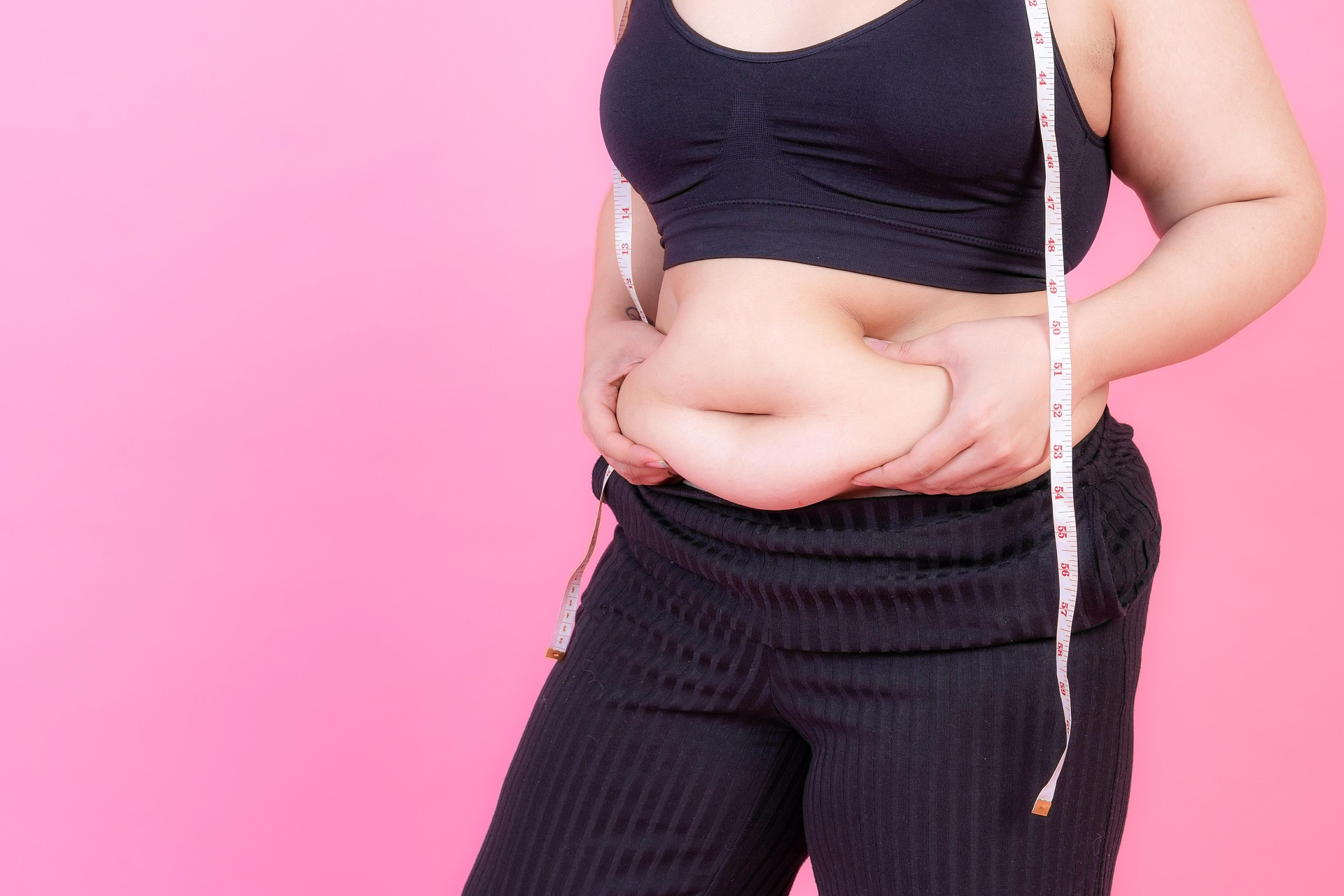
The Game Plan:
If you want to lose belly fat, cycling is an effective way to improve your health outcomes while enjoying a fun form of physical activity. From my experience, bike riding feels easier to stick with than running, especially when you want to stay consistent year-round. A recent study suggests that regular cycling may support overall fat loss, help burn fat, encourage fat burning, and promote a healthy weight.
While no single exercise targets stubborn belly fat alone, combining moderate-intensity aerobic exercises with smart training strategies, balanced fueling tips, and regular workouts can help reduce belly girth, lower body fat, and build muscle over time. Whether you prefer indoor cycling or outdoor cycling, the goal is to ride stronger, improve health, and make steady progress.
Many adults wonder whether cycling burns belly fat is fact or fiction. The U.S. Department of Health and Human Services recommends 150 minutes (2 hours and 30 minutes) to 300 minutes (5 hours) of moderate-intensity physical activity each week for substantial health benefits. You can choose between cycling or walking, depending on your lifestyle, but both are forms of aerobic activity that help you stay fit. Some people enjoy a morning ride, while others prefer the evening, simply putting on their sneakers, checking their equipment, and following a simple fitness routine. Whether your goal is weight loss, belly fat reduction, lower belly fat, or simply to lose weight, making aerobic exercise part of your daily routine can deliver lasting results.
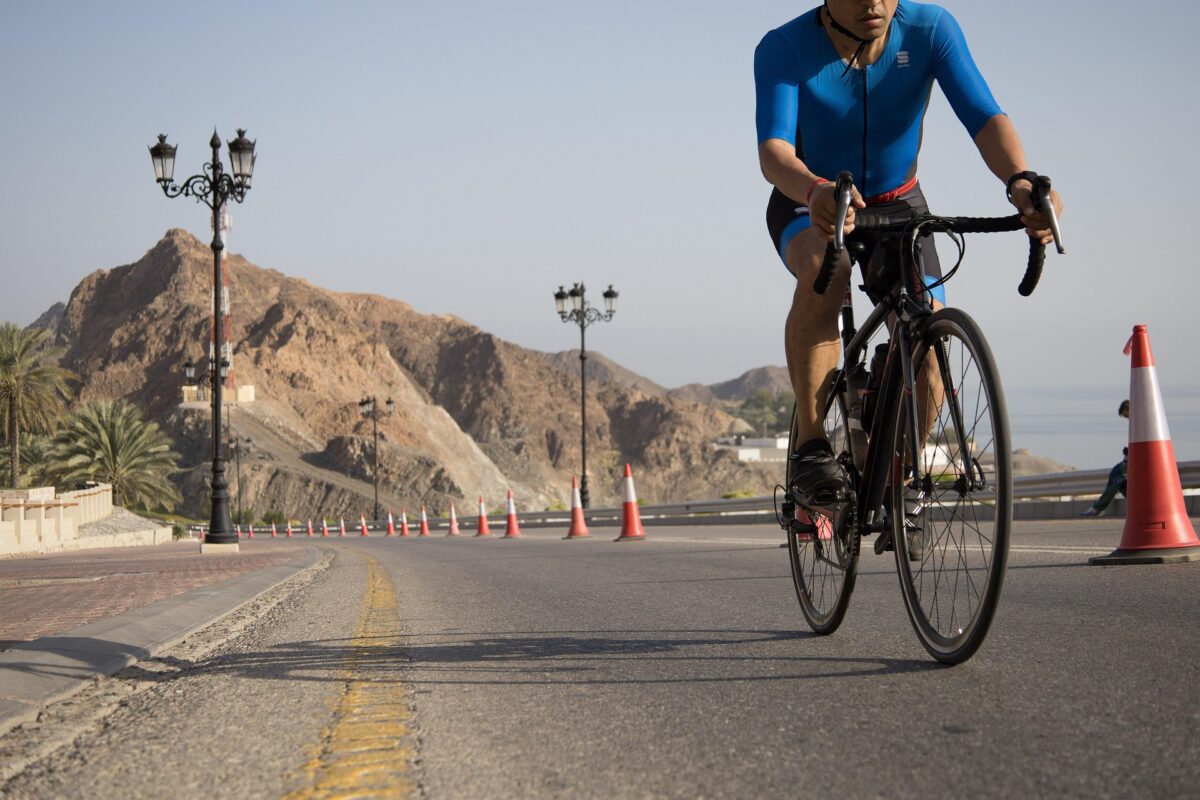
Effective Cycling Strategies for Belly Fat Loss
Start at the Right Pace
To lose belly fat, begin cycling at a moderate intensity instead of pushing too hard. I found that keeping a moderately intensive pace for most of the riding session and using the 80/20 method with high-intensity intermittent exercise helps burn calories, improve fitness, boost endurance, and gradually cut belly fat.
Pick Any Bicycle You Enjoy
Your bicycle matters less than staying consistent with exercising. Whether you use a road bike, mountain bike, hybrid bike, indoor cycling, or outdoor cycling, every ride supports weight loss and makes regular exercise easier to maintain.
Try Fasted Cycling Carefully
Some people practice fasted cycling on an empty stomach after an 8-hour interval from their last meal. It may deliver impressive results, but it can feel tiring, so have a cup of water or coffee, carry high-energy food for a long ride, start at low intensity, use stored fuel during fasting, rely on lower glycogen levels, stay steady and focused, and eat after about 2 hours instead of starving yourself.
Add Off-Bike Training
Mix off-bike exercise with lying down bicycle, planks, yoga, and Zumba to strengthen your core exercise. This improves your endurance level, strength, and overall fitness level, making every ride more effective.
Ride for Everyday Travel
Using your bike for trips to work or traveling to work is an easy habit that supports your basal metabolic rate, also called BMR. Over time, this can help reduce hidden body fat without changing your daily schedule too much.
Eat to Support Your Ride
A good workout regimen works best with a balanced diet. Limit cheese, sugary foods, foods with high saturated fat, and butter, while choosing lean proteins, eggs, leafy greens, lean beef, chicken, beans, potatoes, and salmon for better recovery.
Don’t Ignore Recovery
Getting rest and adequate rest after riding is just as important as training. Being sleep deprived can increase excess weight, making fat loss slower.
Boost Results with Hard Efforts
Adding higher-intensity workouts like intervals and hill climbs can raise your metabolic rate through the afterburn effect. Pair this with smart nutrition, proper recovery, and sustainable, enjoyable strategies for lasting progress.
Use Interval Training Safely
Interval training is a powerful way to reduce stomach fat by doing 30-second bursts or 60-second bursts at full speed, followed by recovery, three to four times per week. Watch for traffic and pedestrians, wear a helmet, use bright clothing, switch on your headlight, and stay visible during night riding.
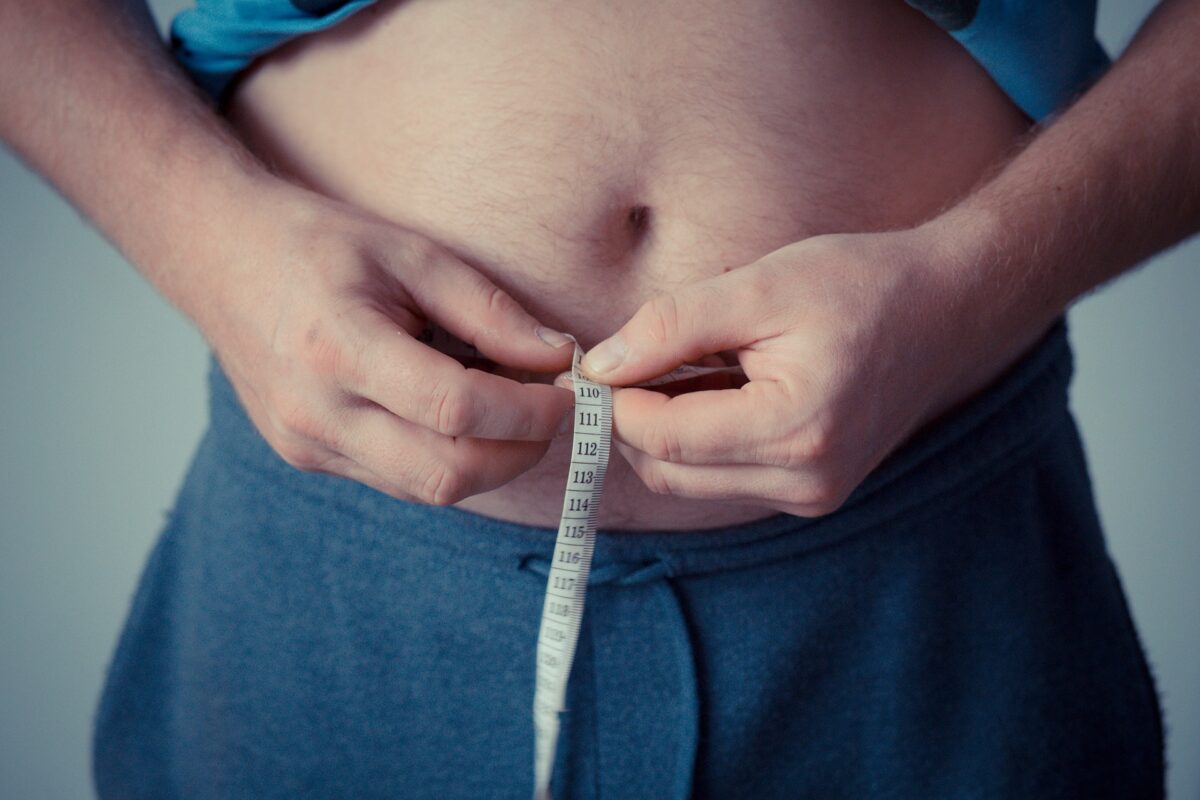
Common Mistakes That Prevent Cyclists From Losing Belly Fat
Overtraining Without Recovery:
Too much training and excessive training without adequate recovery can prevent fat loss by causing fatigue, slow metabolism, poor hormonal balance, and weaker body performance. Add recovery days, follow a proper training schedule, get enough rest, and let your muscles repair and regulate hormones.
Neglecting Proper Nutrition:
Neglecting proper nutrition is one of the biggest common mistakes because exercise alone cannot fix a calorie-dense diet or nutrient-poor diet. Eat balanced meals with whole foods, lean protein, complex carbohydrates, and support your cycling performance.
Extreme Calorie Restriction:
Extreme calorie restriction, cutting calories, or crash dieting may slow your fat loss, increase muscle loss, and leave you with low energy. Instead, make gradual changes, keep a moderate calorie deficit, and choose nutrient-dense foods to lose belly fat safely.
Ignoring Health Conditions:
Avoid cycling if you have lower back issues, knee injuries, or balance problems. Try an elliptical, swimming, or other low-impact cardio options until you recover.
Poor Food Choices:
The best way to lose belly fat while cycling is combining dieting with a balanced diet and healthy diet. Reduce processed foods, excess calories, saturated fats, and choose low carbohydrates, high protein, and a negative energy balance to stay full longer.
Relying Only on One Bike Type:
A pedal-assisted bike, pedal-assist bike, or conventional bike can all work. Research shows ebikes and electric bikes still provide aerobic exercise, help improve metabolism, boost metabolism, and burn belly fat.
Skipping Active Commuting:
Use your commute instead of the car or public transport when possible. Physical activity with pedal assistance makes steep hills easier, reduces physical strain, helps conserve energy, and sweat less.
Ignoring Strength Work:
To stay strong while burning belly fat, avoid losing muscle by building muscle mass. Increase calorie burn with strength training, home equipment, dumbbells, resistance bands, and target specific parts to improve muscular strength.
Sitting Too Much:
Reduced sitting time because prolonged sitting is linked to health concerns, high blood sugar, unhealthy cholesterol levels, excess fat, and internal organs fat, according to a study. Add walking, jogging, or bike riding every day.
Skipping Endurance Rides:
Steady-state endurance rides at moderate intensity and sustainable intensity over longer periods improve cycling by using fuel source from fat, reducing body fat, increasing aerobic fitness, and adding more calorie-burning minutes in the saddle. Ride 60-90 minutes at a comfortable-but-steady pace, speak in short sentences, and aim for 3-4 endurance rides per week to reduce stubborn belly fat.
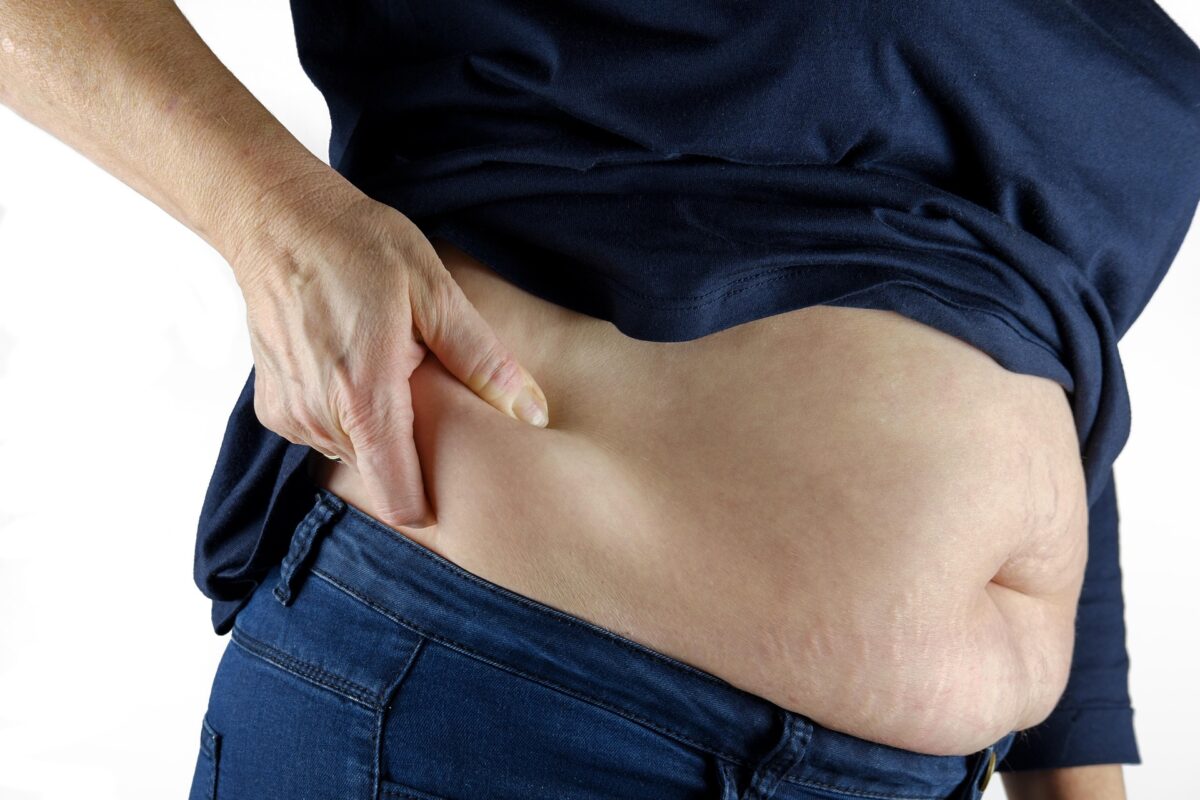
Summary
Cycling is a highly effective and effective way to lose belly fat when you combine consistent training, smart nutrition, and healthy lifestyle habits. In my experience, staying focused on consistency, balance, endurance rides, interval sessions, and recovery days helps you train effectively while avoiding burnout. Pair your rides with proper nutrition, adequate sleep, and strength training to improve results, support long-term progress, and increase muscle strength. Whether you ride outdoors or indoors, every session helps reduce belly fat while giving you a fun, relaxing activity that lets you socialize, improve mental health, and boost overall wellbeing.
FAQs
How long should I cycle a day to lose belly fat?
For belly fat, aim for 30 to 60 minutes of moderate-to-high intensity cycling. Around 4 to 5 hours per week can support fat loss, but spot reduction is not possible because the body loses fat from different areas. Regular cycling can reduce overall body fat and create a calorie deficit that helps shrink your waistline.
Can I lose 10 kg by cycling?
You can lose 10 kg through cycling, but time, consistency, and a proper diet matter. Depending on effort and body size, cycling may burn 400 to 800 calories per hour, helping create a calorie deficit. A safe weight loss goal is a realistic weight loss rate of about 0.5 kg per week, so 10 kg could take around 20 weeks, or 5 months.
Will cycling flatten my stomach?
Yes, cycling can help flatten your stomach through burning calories and reducing overall body fat. However, you cannot spot-reduce fat from your belly fat alone, so changes in your midsection also depend on a healthy diet and a consistent calorie deficit. This is also a point often discussed by users on Reddit.
How many hours of cycling to lose 1 kg?
Losing 1 kg of body fat generally requires a calorie deficit of about 7,700 calories. Your body weight, how hard you pedal, and cycling intensity affect how many calories you burn; a common estimate is 400 to 700 calories per hour. That means roughly 11 to 19 total hours of cycling may be needed to burn energy equivalent to 1 kg.
How to start cycling to lose weight?
For cycling and weight loss, start with 3 to 5 weekly rides of 30 to 60 minutes at a comfortable conversational pace. Build consistency, maintain a moderate daily calorie deficit, and make gradual increases in ride time as your fitness improves. Adding short high-intensity intervals can increase the challenge and help you burn fat safely.