The Game Plan:
When I worked on weight loss goals, I found that putting enough protein into everyday meals made it easier to manage hunger without feeling like I was constantly restricting food. High-protein foods and other protein-rich foods can improve fullness and satiety, while also supporting appetite control. Protein may also increase calorie burn because the body uses more energy to process it than it does carbohydrates, carbs, or fat. This is one reason a balanced high-protein diet can be useful for people trying to reduce body fat while still eating satisfying, nutritious foods.
The practical approach is not simply to eat as much protein as possible. Your protein intake, daily protein intake, and meal distribution should fit your body weight, lifestyle, and individual protein needs. Lean foods such as meat, seafood, eggs, and dairy can provide protein, while plant foods such as nuts, beans, and legumes can also contribute.
People following a vegan diet or vegetarian diet can combine different plant-based proteins to meet their needs. Protein can help preserve lean muscle during a calorie deficit, while its thermic effect may contribute to total calories burned. If you have specific health issues or plan major dietary changes, discussing your diet with a doctor is sensible.
How much protein do you need in a diet for weight loss?
For weight loss, a practical protein intake target is around 1.2 g to 2 g of protein per kilogram of body weight per day, although individual protein needs depend on body size, activity level, and goals. The Recommended Daily Intake (RDI) of 0.8 g per kilogram is a bare minimum for general health, while 1.2–1.6 g/kg can suit people in an energy deficit seeking muscle preservation.
I find 20 g to 30 g of protein per meal a simple way to spread daily protein across the day. For example, a 70 kg (154 lb) woman trying to lose weight might aim for 100–110 g of protein per day. To set a useful starting point, check your baseline calorie needs and BMR, then use a calorie deficit calculator to understand your deficit and adjust your protein targets to match your calorie needs.
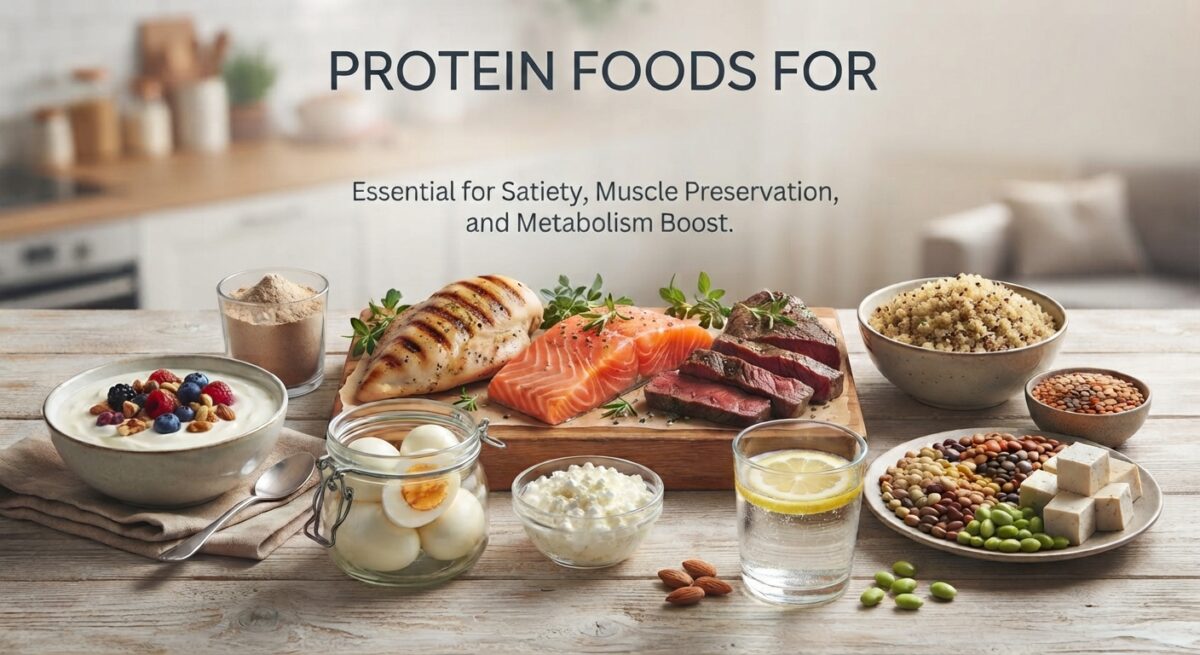
Why high-protein, low-calorie foods help you lose weight
Protein-rich foods can make weight loss easier because they improve satiety and fullness, helping control hunger, appetite, and cravings while you maintain a calorie deficit and manage your total intake of calories. I find that adding protein at each meal can also reduce food noise, while protein supports muscle, lean muscle, and healthy body composition.
Protein has a higher thermic effect or thermic effect of food than carbohydrate and fat, so your body uses more energy to digest and process protein, creating a small metabolic advantage. Pairing adequate protein with resistance training can improve muscle protection, preserve muscle mass, and support a stronger metabolism and better long-term results. A high-protein diet still needs balance, though; unhealthy eating habits can create health problems, so choosing healthy diet changes you can maintain is more useful for lasting health. If you have specific health concerns, a doctor can help you choose a suitable healthy eating plan.
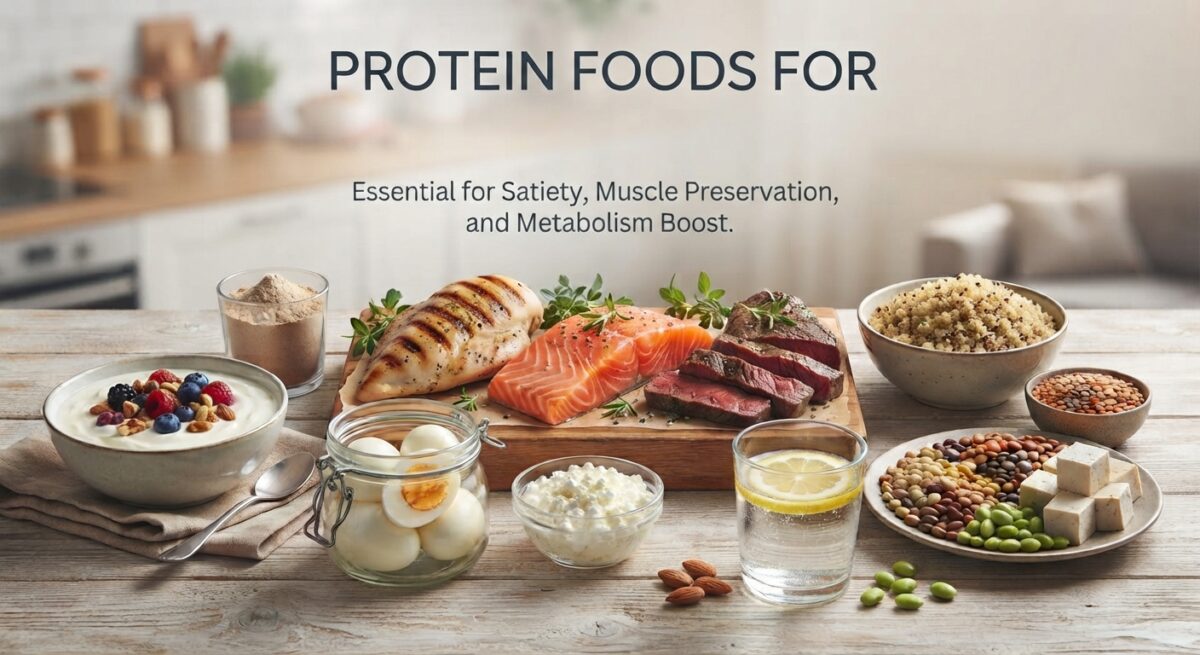
Top High Protein Foods
Poultry and lean meats
Skinless chicken breast, chicken breast, turkey breast, pork tenderloin, extra-lean beef, venison, and other lean meat provide plenty of protein without excessive calories. Try lemon, herbs, and yoghurt for tenderness, or use thinly sliced turkey in salads and wraps; roast pork for several meals, choose 95% lean beef such as sirloin or eye fillet, drain fat after cooking mince, and add venison’s rich flavour to stews.
Fish and seafood
Fish and seafood such as cod, white fish, haddock, pollock, canned tuna, tuna in water, prawns, shrimp, scallops, squid, crab, and salmon offer protein, while salmon provides omega-3s and omega-3 fatty acids and other seafood can support satiety and long-lasting satiety. Use garlic, vegetables, and green salad with seafood, and try baking, baked, poached, fish cakes, sauté, pan-sear, or grill instead of deep-fry for easy high-protein lunches, instant lunches, and salads.
Tempeh
Tempeh is a protein-rich fermented soy food with a pleasant nutty bite. It can be a useful lower-calorie soy option in stir-fries when building balanced meals.
Seitan
Seitan is a wheat-based food that is high in protein and can fit many weight-loss meals without many calories. However, it contains gluten, so it is not suitable for gluten-free diets.
Edamame
Edamame, especially when cooked, offers protein in a convenient snack with moderate calories. A little sea salt and chilli can turn it into a simple snack.
Lentils
Lentils, when cooked, provide protein, fibre, fiber, and relatively modest calories; use them in soups, salads, and pasta sauces, or make roasted lentil croutons as a crunchy topping. Their low glycemic index or GI may help reduce blood sugar spikes and cravings, although lentils are plant proteins and are not complete proteins on their own.
Black beans
Black beans, when cooked, provide protein and useful nutrition without excessive calories. Add spices and mash them into taco fillings for an easy meal.
Chickpeas
Chickpeas, when cooked, offer protein and can fit a calorie-conscious diet. Roast them with paprika to make a crunchy topper for salads, bowls, or other meals.
White/cannellini beans
White beans and cannellini beans, when cooked, provide protein with moderate calories and a naturally creamy texture. Blend them into dips or add them to stews for a filling plant-based meal.
Lupini beans
Lupini beans are legumes with relatively high protein and moderate calories, making them one of the high-protein legumes worth trying. Buy them jarred and enjoy them as a quick snack.
Greek yogurt
Greek yogurt can provide substantial protein per serving; a 6 oz portion often has more protein than regular yogurt because strained yogurt removes extra liquid, leaving more concentrated protein. Some varieties contain probiotics, and gut bacteria may play a role in weight management, calorie absorption, and fat storage, so choose plain, unsweetened yogurt rather than flavored yogurt high in sugar; nonfat yogurt, low-fat yogurt, and full-fat yogurt can all fit a balanced diet depending on your calories and overall nutrition.
I like it for breakfast or a snack with berries, nuts, seeds, and fiber, or blended into smoothies and used as a sour cream substitute.
Eggs
Eggs are a practical protein choice; one large egg provides protein and fat that can fit a weight-loss diet while supporting blood sugar stabilization. Their healthy unsaturated fats may support fullness, while protein and leucine, an amino acid involved in muscle building, can make them satisfying; pairing eggs with vegetables, whole-grain toast, or oatmeal adds fiber-rich foods and may help manage blood sugar spikes, energy crashes, food cravings, and overall calorie intake.
Cottage cheese
Cottage cheese is a protein-dense food that can provide useful protein in a 1/2 cup or 4 oz serving, especially when choosing low-fat cottage cheese with relatively few calories. Much of its protein is casein, a milk protein that is slow-digesting, which can support fullness; use it with seasonings, as a dip for vegetables, or as a topping for baked potatoes.
Tuna
Tuna is a convenient protein source with little fat and moderate calories; a 3 oz serving also provides leucine, an important amino acid. Canned tuna is shelf-stable, budget-friendly, and useful for protein-rich meals; for a weight-loss diet, choose water-packed tuna over oil-packed tuna when appropriate, since olive oil adds calories and fat despite its health benefits. Try avocado toast topped with a tuna-avocado smash, lime, and red pepper flakes, or simply serve tuna with toast.
Lean beef
Lean beef can be part of weight-loss diets and a balanced weight-loss strategy, offering protein, iron, and vitamin B12 to support energy levels and red blood cell production. To control fat content, choose 90% lean ground beef, top sirloin, or tenderloin instead of fattier cuts; use ground beef in grain bowls or tacos, or cook lean beef on skewers with vegetables.
Salmon
Salmon provides protein and more calories than some lean proteins, but it is nutrient-rich and can still support weight loss as part of a balanced diet. Its omega-3 fatty acids are a type of unsaturated fat associated with supporting heart health and brain health and helping regulate inflammation; enjoy baked salmon, pan-fried salmon, grilled salmon, smoked salmon, or lox, while canned salmon is a budget-friendly choice for grain bowls, salads, or toast.
Soybeans
Soybeans are legumes that provide protein and fiber, with mature soybeans containing more protein than many other beans. They also supply iron, magnesium, and B vitamins, nutrients involved in energy and overall health; add cooked soybeans to soups and stews, or blend them into dips.
Summary
Adding high protein foods to your daily meals can support weight loss, muscle maintenance, and long-term vitality, especially during aging and hormonal shifts such as perimenopause and menopause. I find that prioritising protein through simple meal preparation, prepping meals, and smarter snacks makes it easier to choose foods high in protein and low in kilojoules while working toward your health goals.
Use your shopping list to plan balanced choices that help fuel your body with intention, keeping you strong, lean, and energised. This supports sustainable eating, satisfying eating, and a healthy way of eating that fits midlife, nutrition, and your best self.
FAQ’s
What is the 90-30-50 method?
The 90-30-50 method is a diet plan that targets 90 grams protein, 30 grams fiber, and 50 grams healthy fats as a daily intake. It is often used for weight loss and potential overall health benefits, but individual needs can differ.
Can protein help reduce belly fat and muscle loss?
A higher protein intake combined with fewer calories may support fat loss, including fat around the abdomen, while helping reduce muscle loss and build muscle when paired with suitable exercise. Protein-rich foods such as lean meats, seafood, eggs, low-fat dairy, legumes, and nuts can make this easier.
How can I get 70 grams or 100 g protein a day?
Spread protein across breakfast, lunch, dinner, and a snack using the 30-30-30 approach: around 30–40 g protein at each main meal plus a 10–20 g snack. A Greek yoghurt bowl, chicken salad, cottage cheese, or baked fish can help you reach 100 g protein, while protein powder can add convenience.
What are good high-protein, low-calorie snacks?
High-protein low-calorie snacks include skyr, Greek yoghurt, berries, boiled eggs, cottage cheese with vegetables, biltong, lean jerky, edamame, and a protein shake with water. These options can provide about 10–25 g protein for around 150 kcal or less, depending on the serving.
Is a high-protein diet safe for everyone?
For many healthy adults, research commonly uses up to 2.2 g/kg/day, but people with kidney disease or liver disease, or those who are pregnant or breastfeeding, should seek medical advice for tailored targets. A high-protein diet should fit your health needs rather than simply maximizing protein.