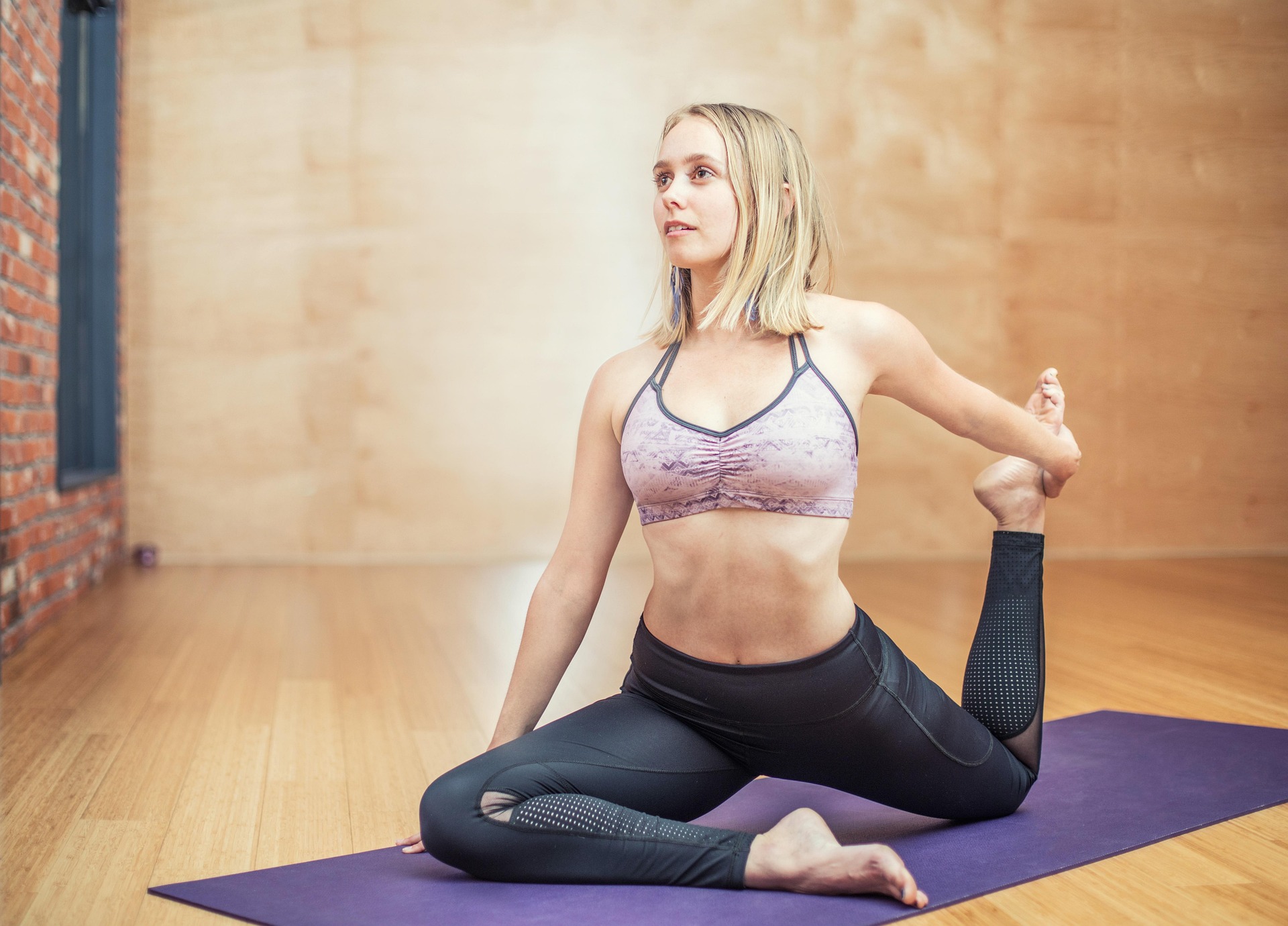
The Game Plan:
When you think about hamstring workouts at home, you may assume you need heavy equipment, machines, cables, or fancy gym equipment. You really don’t. Your hamstrings are important muscles in your legs, made up of three muscles on the back side of your thighs. They work across your hip joints and knee joints to help you bend your knees, extend your hips, rotate your knees, and assist with slowing your feet to protect your knees. In my experience, simple body weight and body weight movements can do a lot to strengthen these muscles without making your routine complicated.
Strong hamstrings support daily activities such as lifting, hiking a hill, getting out of a car, and walking up the stairs, while also improving exercise performance and mobility. The glutes and hamstrings are major parts of the posterior chain, supporting almost every lower body movement, including gym exercises such as squatting. When you spend prolonged periods of sitting, your muscles can become seated and almost switched off, which may contribute to tightness, muscle weakness, and muscle imbalances.
That is why regular hamstring strengthening exercises and a gentle stretch can help address weakness, reduce pain, and lower the risk of injury and knee pain. You may see fitness gurus performing intense hamstring workouts, but an effective home routine can be much simpler.
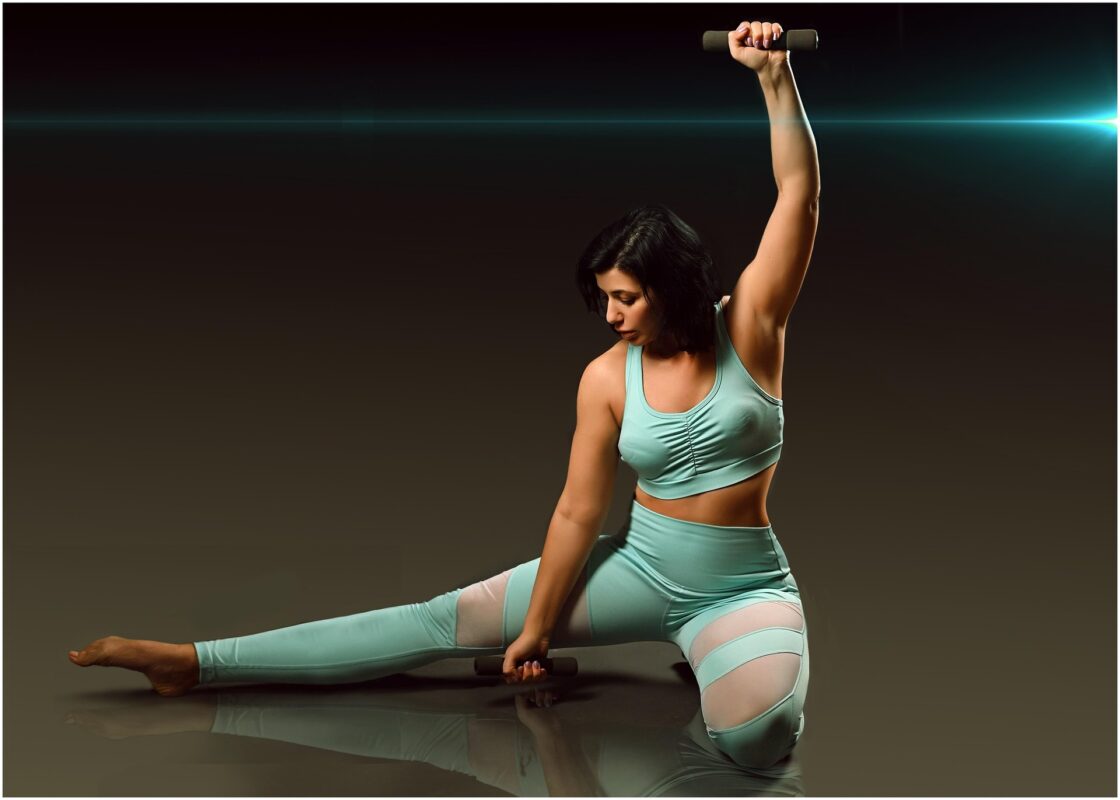
What muscles make up your hamstrings?
Your hamstrings are a powerful trio of muscles along the back of your thigh: the biceps femoris, semimembranosus, and serendipitous. These muscles connect your pelvis to your knee and help with hip extension and knee flexion, making actions such as standing up, walking, and almost any athletic movement possible. They also provide power during lifts while stabilising your entire lower body. From my experience with home training, understanding these muscles makes targeted training much easier, especially since hamstring injuries can happen at almost any fitness level.
Your glutes and hamstrings work together during everyday movement, such as walking upstairs, and exercises such as lifting weights. Building balance, strength, and coordination can help reduce the chance of injuries, while compound movements such as deadlifts and hip thrusts develop overall strength and isolation moves can improve muscle tone. I also find that stretching, foam rolling, and proper recovery are useful for managing pain around the hamstring area and glute area. For muscle gain, definition, and power, training these areas twice per week can be a practical approach.
What are the benefits of hamstring workouts at home?
Regular hamstring workouts at home can make more than your gym routine feel better. I find that consistent targeted hamstring training is especially useful when you want better lower body strength without making your routine complicated. Here are the main benefits:
- Better muscle balance: If you are quad-dominant, your hamstrings may be less developed than the quads on the front of your legs. Strengthening the back of your legs can reduce strength imbalances, limit overcompensation by other leg muscles, and improve stability. This can also ease tightness in the thighs and discomfort around the knees during everyday movements.
- Reduced risk of injury: Strong hamstrings can support safer movement during exercise and normal activity. They act like built-in shock absorbers, helping with protecting your knees and reducing strain on the lower body. This matters during sports with quick stops and starts, such as soccer and tennis, where poor eccentric strength can increase the higher risk of injuries.
- More power and speed: Stronger hamstrings can contribute to stronger movement in both sport and the gym. Well-developed hamstrings help create explosive power, improve leg extension, and support greater agility. That can be useful whether you train casually or dream of performing like an athlete at the Olympic Games.
- Stronger lifts: Better hamstring strength can support stronger lifts by giving your hips and legs a stronger base. As the muscle lengthens during eccentric strength work, it learns to control movement rather than simply produce force.
- Better everyday movement: Strong hamstrings can help reduce stiffness and aches, support good posture, and reduce lower-back strain. Simple actions such as standing up and walking longer may feel easier, with less discomfort and smoother movement.
- Pain-free movement and injury prevention: Building strength gradually can improve muscle balance, support the knee joints, and help manage common movement problems. The goal is not just stronger muscles but better control, stability, and injury prevention as you move through everyday life.
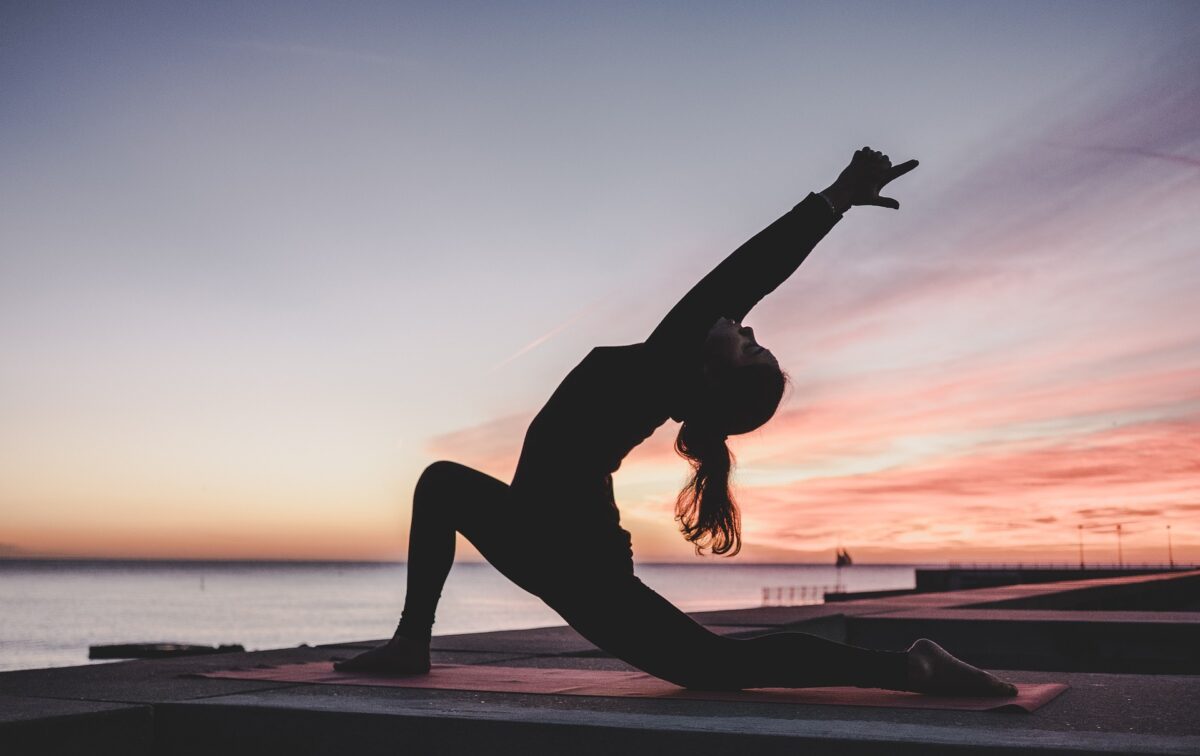
What are the best hamstring workouts at home to build strength in 2026?
Good Morning
- Stand with your feet hip-width apart, place your hands on the back of your head, and keep your elbows open.
- Inhale, brace your core, keep your shoulders back, and use a slow, controlled movement to hinge forward at the hips, not the waist.
- Keep your back straight and knees slightly bent until you feel a gentle stretch in your hamstrings.
- Push through the balls of your feet, squeeze your glutes, and return to the starting position for 2–3 sets of 8–12 reps; skip heavy weights.
Bodyweight Romanian Deadlift
- Stand with your feet hip-width apart, keep your hands near your thighs with palms facing inward, and maintain a slight bend in your knees.
- Start the hip-hinge movement by sending your hips back and slowly lower your hands toward the floor, keeping them close to your legs.
- Stop around the middle of your shins, keep your core engaged and neutral spine, then use control to squeeze your glutes and rise up.
- This compound movement emphasizes eccentric contraction and lengthening during the lowering movement; perform it with body weight or lower weights for optimal results.
Crabwalk
- Sit on the floor with your knees bent and feet flat, place your arms behind you with your fingers pointing toward you, and lift your hips.
- Move forward by stepping with your left foot and right hand together, followed by your right foot and left hand.
- Keep moving through the available space, then travel backward using the same controlled pattern.
- This playful exercise works your glutes and hamstrings; aim for 30 seconds for 2–3 rounds.
Single-Leg Deadlift
- Stand with your feet hip-width apart, shift your weight onto your right foot, and keep a soft bend in the knee.
- Lift your left leg behind you while performing a unilateral movement and hinging until your torso is parallel to the floor.
- Keep your left arm straight and reach toward the floor, then lift your torso while bringing your left leg back to the starting position.
- Focus on balance and one leg control; complete 2–3 sets of 8–12 reps on each leg.
Barbell Stiff-Leg Deadlift
- Stand with your feet hip-width apart, toes forward or slightly outward, and position the barbell over your mid-foot, close to your shins.
- Take an overhand grip slightly shoulder-width apart, with palms facing you, then keep your chest up, shoulders back, and spine neutral.
- Maintain a straight back and avoid rounding as you hinge at the hips, keeping your legs straight and creating time under tension.
- Lower the bar with correct form until you feel a deep stretch through your hamstrings and entire posterior chain, then reverse the motion by moving your hips back and bending your knees as the bar reaches the floor.
Why Train Glutes and Hamstrings Together?
Training your glutes—including the gluteus maximus, gluteus medius, and gluteus minimus—alongside your hamstrings makes sense because these muscle groups naturally work with each other during hip extension and knee flexion. In my experience, combining them in home workouts can improve efficiency, balanced development, stability, coordination, power, and overall strength, while supporting posture and helping protect the lower back, knees, and hips from injuries.
Many lower body exercises, especially compound exercises such as squats and deadlifts, train the glutes and hamstrings in a single session, reducing the need for separate training while improving athletic performance and improved function. This approach can also reduce the chance of one muscle group becoming overworked or overcompensating, making strengthening more balanced and teaching the body to control movement more naturally.
Best 1-Week Hamstring Workout Plan at Home
A good weekly training plan should balance strength, definition, recovery, and your individual goals. Based on practical home training, I would spread the hamstring exercises across two focused days rather than doing everything at once.
| Day | Training focus | Home workout plan |
| Day 1 | Glutes and hamstrings | Warm up: 30 seconds each of jumping jacks, forward leg swings, side leg swings, and squat jumps; repeat twice as a circuit. Workout: 3 sets of 10 reps of B-stance Romanian deadlift or single leg Romanian deadlift, followed by single-leg hip thrust from the sofa or single-leg bridge. Finish with cooldown stretches. |
| Day 2 | Upper body | Train your upper body and allow your hamstring muscles to recover. Keep activity light if your legs feel sore. |
| Day 3 | Cardio and mobility | Do easy cardio and mobility work. Avoid adding another hard hamstring-focused workout so your muscles can recover and adapt. |
| Day 4 | Hamstrings home workout | Repeat the warm up circuit, then complete 3 sets of 10 reps of hamstring slides using a towel under your foot on a polished surface, hamstring walks, and clamshells. Use a band around your knees if available. |
| Day 5 | Upper body | Focus on upper body exercises and keep the lower body workload low. This supports recovery before the weekend. |
| Day 6 | Rest or light cardio | Take rest or do light cardio depending on how you feel. Avoid extra sets if your hamstrings are still tired. |
| Day 7 | Rest and recovery | Rest fully or use gentle mobility. A short cooldown can include a 30-second deep squat, standing forward fold, and pigeon pose for each side. |
This plan gives you two hamstring-focused sessions, which fits well with the finding that people training two or fewer times per week can still see meaningful risk reductions compared with those training more than two times per week. One hamstring-focused workout once per week can also work for beginners, while 2–3 times per week may suit someone with more experience, provided recovery remains good.
A previous analysis found a 49% decreased risk of hamstring injury with hamstring strengthening, although training should still be adjusted to your ability. If you are new to these movements, start with fewer sets, prioritize good form, and gradually increase the sets as your strength and confidence improve. The exact type of exercise, training frequency, and volume of exercise should match your goals rather than forcing everyone into the same routine.
Summary
You can strengthen your hamstrings without heavy equipment by using hamstring-dominant movements and other exercises that train your lower body muscles. For good results, aim for 10–16 sets in your weekly routine, or include them in a hamstring-focused workout, while maintaining good form and adding new hamstring exercises gradually. These targeted moves and simple strategies can build strength, well-rounded strength, and lower-body power while helping reduce injury risks and making everyday movements smoother. With balance and regular attention, the gains can make a noticeable difference in every week and with every step.
FAQ’s
How can I tell if I have weak hamstrings?
Weak hamstrings may cause persistent tightness or discomfort at the back of your thighs during everyday movements, such as bending over or standing up. If your quads dominate during squats or you feel extra strain in your lower back, use targeted exercises to build strength.
How often should I train my hamstrings?
For most people, two to three lower body workouts per week, including hamstring exercises, works well. Avoid overuse of the same muscle group, and use rest, active recovery days, stretching, foam rolling, or gentle cardio to support recovery.
Does walking help with hamstring pain?
Walking can improve blood circulation and may ease mild hamstring discomfort, especially with targeted stretches. If you develop sharp pain or suspect a serious injury, stop the activity and consult a professional.
How can I fix weak hamstrings?
There is no instant fix, so focus on consistency and add hamstring work to your lower body routine twice a week. Prioritize quality reps over quantity, then gradually increase weight as you develop stronger hamstrings.
What is the difference between glute pain and a hamstring strain?
Glute soreness often feels like a dull ache or stiffness after exercise, especially after glute and hamstring exercises or new training loads. A hamstring strain usually causes sharper pain that is more localised and may limit movement of the leg; persistent pain should be checked by a professional.
How long does it take to see results?
With consistent hamstring and glute workouts, many people notice better strength and tone within 4–6 weeks. Visible muscle definition can take longer depending on training frequency, nutrition, and recovery.
Can these workouts help with lower-back pain or posture?
Strengthening the glutes and hamstrings can support the pelvis and spine, which may improve posture and reduce stress on the lower back. If you have ongoing lower-back pain, professional guidance is a sensible choice.
How can I activate my glutes before a workout?
Spend 5–10 minutes on activation drills before your workout to activate the glutes. Useful options include glute bridges, banded walks, clamshells, and hip thrusts.