The Game Plan:
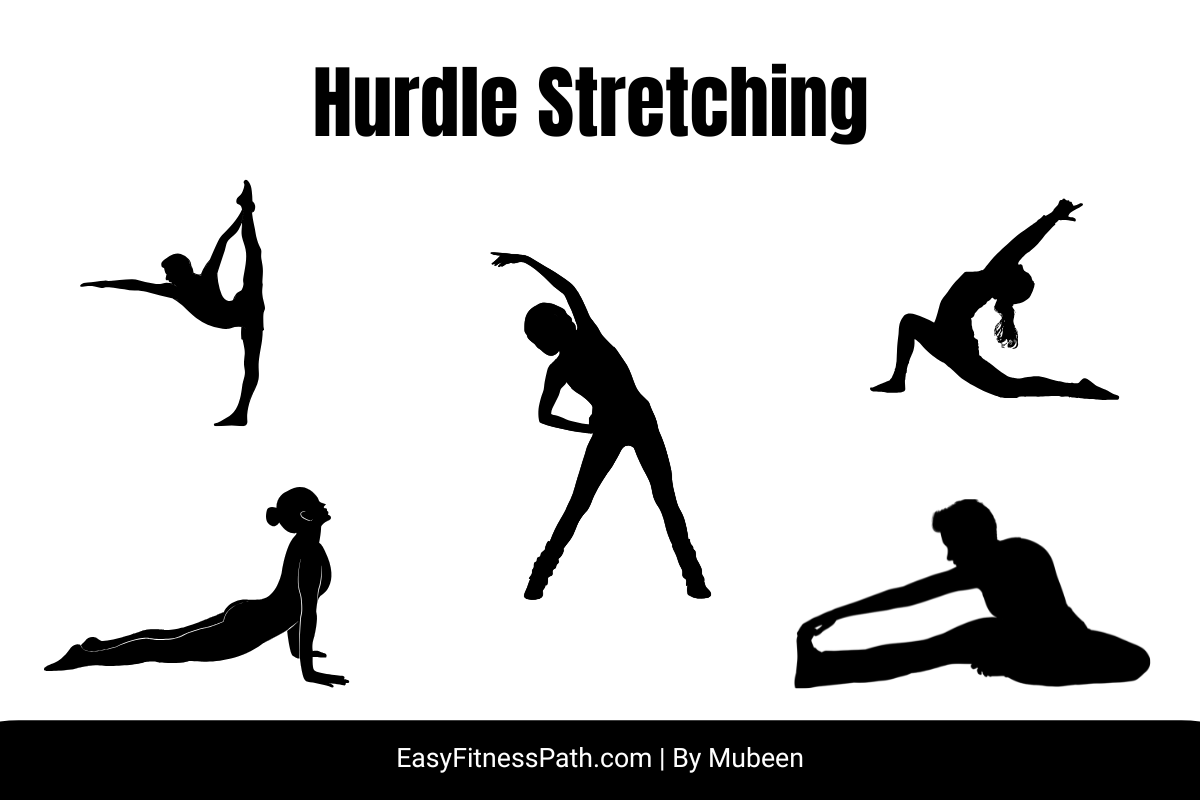
Hurdle stretching exercises are simple stretching exercises that help improve flexibility, leg flexibility, and lower-body flexibility. Many people remember the Hurdler Stretch from gym class or physical education, where students practiced floor stretching as part of a traditional gym-class stretching exercise. Although the name comes from a hurdler and the action of jumping over a hurdle, this stretch focuses on controlled leg stretching, muscle stretching, and comfortable movement, not actual hurdling movement.
For athletes and beginners, maintaining the correct stretching posture and stretching technique can make this familiar exercise a useful part of fitness. From a practical fitness perspective, I recommend avoiding forced movements and focusing on steady, controlled positions to support a safe stretching routine.
| ⚠️ Fitness Disclaimer: This fitness disclaimer explains that the information in this article is for informational purposes only, not a substitute for professional medical advice, diagnosis, or treatment. Before starting an exercise program, consult a qualified healthcare professional, especially if you have an existing medical condition, an injury, or other health concerns. |
To perform this seated stretch or floor stretching exercise, sit with one straight leg and the other bent leg positioned comfortably to the side. Keep the extended leg as a relaxed leg, maintain a natural leg extension, and begin reaching towards toes without bouncing or forcing a toe touch. This stretch position can involve a hamstring stretch, quadriceps stretch, and hip flexor stretch, depending on the targeted muscles and available stretch variations. Choose a comfortable stretching duration when holding a stretch, then focus on switching legs through controlled leg switching.
Add this movement to your exercise routine, alongside suitable warm-up routines, cool-down routines, and other stretching routines. During pre-workout stretching, use gentle movement for movement preparation; after exercise, post-workout stretching with comfortable static holds may encourage relaxation. These flexibility exercises support hamstring flexibility, quadriceps flexibility, hip flexor flexibility, hip mobility, leg mobility, and overall range of motion.
How to Do Hurdle Stretching Exercises
The Hurdler Stretch is a seated floor stretching exercise that can support leg flexibility and lower-body flexibility. This seated stretching exercise involves a straight leg and a bent leg, allowing you to stretch the hamstrings, hips, and inner thighs. Follow these steps for a comfortable stretching technique and controlled muscle stretching.
Method 1: Traditional Hurdler Stretch
- Step 1: Sit on a mat or the floor in an upright seated position, with your legs out in front and your extended legs straight.
- Step 2: Bend your right leg at the knee and gently guide it to the side, using arm support if needed. Keep your foot behind the body or beside you in a comfortable position, with your thigh pointed to the side.
- Step 3: Keep your left leg extended and your left foot relaxed. Bend the remaining leg only as far as feels comfortable, keeping your body position steady.
- Step 4: Keep your straight back comfortable and begin leaning forwards from your hips. Move your chest towards your left thigh, with your arms reaching forward for a gentle floor reach.
- Step 5: Continue the forward lean by reaching forward with your hands towards toes or your extended foot. Avoid forcing a toe touch; your torso should move only as far as your flexibility allows.
- Step 6: Hold this stretching position for a 30-second hold, or a shorter stretch duration if needed. This form of static stretching is a controlled way of holding a stretch without bouncing.
- Step 7: Focus on stretching one side, then begin switching legs to stretch the opposite side. Repeat the movement on the other leg, following the same steps and repeating the stretch for balanced flexibility training.
Method 2: Seated Hamstring Stretch
- Step 1: Begin by sitting on the floor or a mat with your legs out in front. Keep one extended leg straight and place the other foot near the inside knee of the extended leg, bending the knee comfortably.
- Step 2: Keep the relaxed knee in a natural position and the relaxed foot comfortable. Maintain a steady body position before beginning the forward bend.
- Step 3: Start reaching towards your foot, moving your chest towards your knee without rounding your back excessively. Use your arms for support if you need help maintaining balance.
- Step 4: Keep the extended foot relaxed and reach with both hands towards your toes as far as comfortable. This movement creates a gentle hamstring stretch through the back of the thigh.
- Step 5: Hold for around 30 seconds, or less if you feel discomfort. Avoid bouncing, and use controlled movement throughout the stretch.
- Step 6: Finish by switching legs and repeating the other side, keeping your movements slow and comfortable.
Muscles Targeted During the Hurdler Stretch
Depending on your position, the Hurdler Stretch may provide a thigh stretch, hip stretch, groin stretch, adductor stretch, and glute stretch. You may feel the stretch around the left hip, glutes, right groin, inner thigh, and adductors. The traditional position resembles a Hurdler preparing for jumping over a hurdle, but the goal is controlled stretching rather than jumping. For better leg flexibility, keep the movement gentle and adjust the bent leg if you feel pressure around your knee.
Safety tip: If the traditional position causes knee discomfort, do not force your leg into place. Choose a more comfortable seated variation and stop if you experience sharp pain.
How to Perform a Modified Hurdler’s Stretch
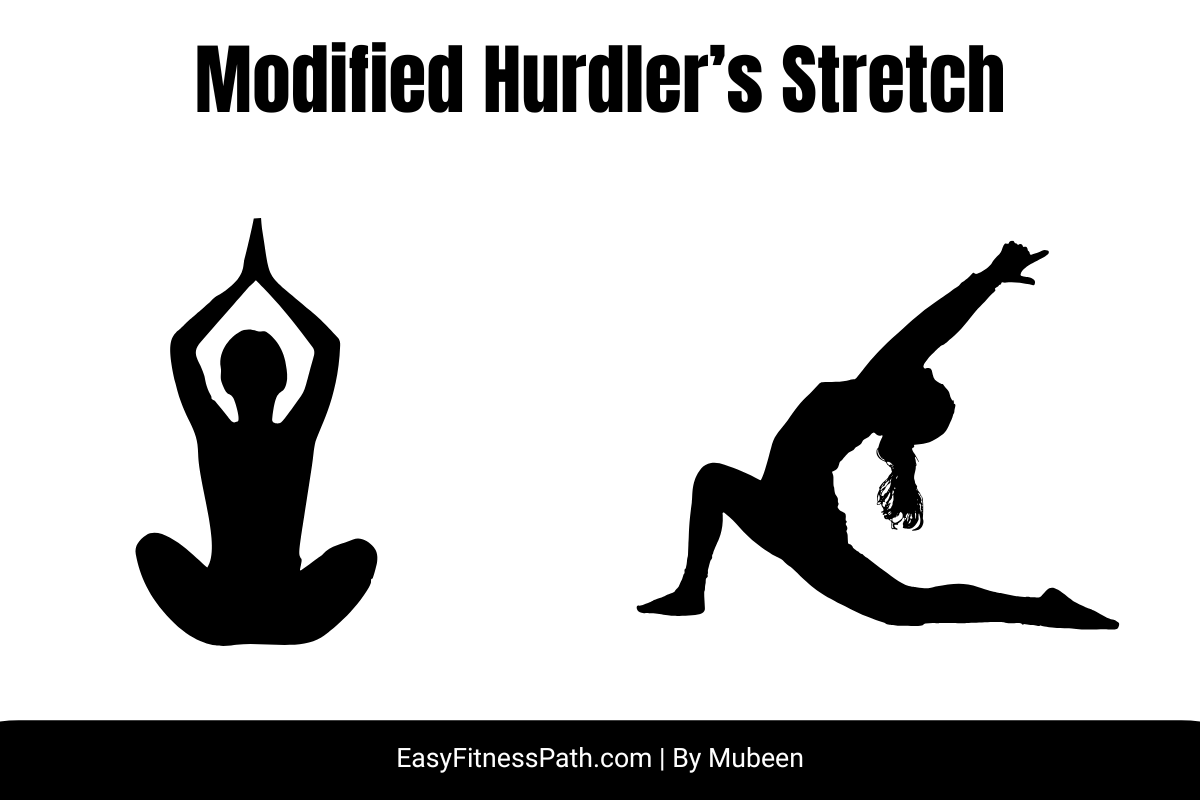
The modified hurdler’s stretch is a useful option for improving flexibility, leg mobility, and pelvic mobility. At a track meet, you may see athletes using similar stretches to prepare their legs for activity. Regular practice may help address ligamentous stiffness linked to poor postural habits and everyday movement patterns. If you have back pain or a chronic back problem, speak with a healthcare professional before trying this maneuver, as your body style, mobility, and comfort can affect your stretching position.
- Step 1 — Starting position: Sit upright on the floor in a seated position with your legs extended in front. Keep your knees straight and your toes towards the ceiling. Bend your left leg by bringing the sole of the foot gently against the inside of the right thigh. Maintain upright sitting, a vertical trunk, proper head alignment, and spine alignment, with your hands on your thighs.
- Step 2 — Bend forward: Tighten your abdominal muscles through gentle abdominal bracing to support spine stabilization. While exhaling, begin forward bending through hip flexion, using controlled hip movement to slide your hands down your legs towards your ankles. Maintain a flat back position, avoid back rounding, and keep your head aligned with your spine, extended knees, and upward-pointing toes. You should feel muscle stretching through your hamstrings and calf muscles, with gentle low back stretching and middle back stretching.
- Step 3 — Hold and repeat: Reach only to a comfortable point of tension in the stretch position. Use controlled reaching, avoid bouncing, and prioritize pain avoidance. Begin by holding a stretch for 15–30 seconds, then relax by returning to the starting position. Complete 2–4 repetitions, including grasping ankles only if comfortable, and repeat with the opposite leg.
- Step 4 — Exercise variation: For a more active option, try dynamic stretching with slow movements and controlled movements. Complete one set of 5–10 repetitions, holding each stretched position for 1–2 seconds. This stretching technique may support flexibility improvement, hamstring flexibility, calf flexibility, spinal stability, lower-back mobility, and overall range of motion. Allow time for relaxation between repetitions and adjust the movement to your comfort level.
Benefits of Hurdle Stretching Exercises
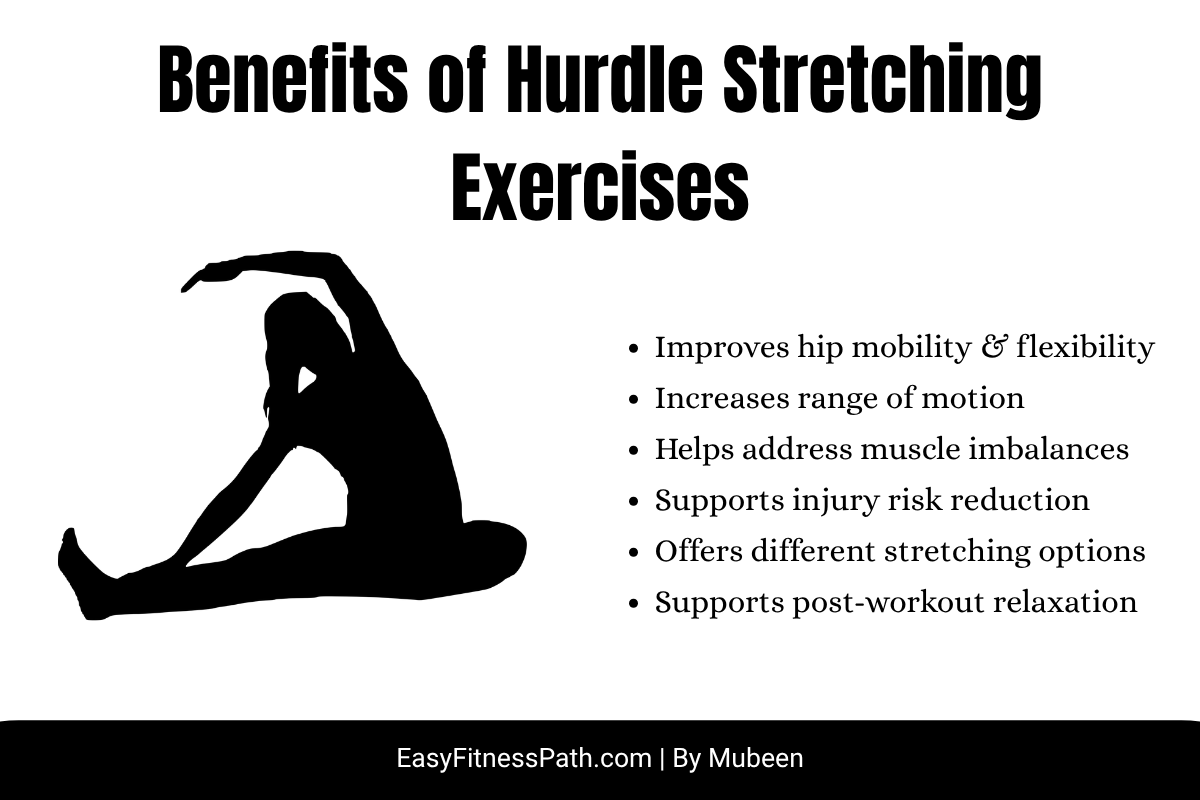
Improves hip mobility and flexibility: The Hurdler Stretch gently stretches the hip muscles and surrounding tissues, helping support hip mobility, hip flexibility, and comfortable lower-body movement.
Increases range of motion: Regular stretching exercises may improve your range of motion and hip range of motion, making everyday movements and exercise positions feel more comfortable.
Helps address muscle imbalances: Stretching can support muscle balance by improving flexibility in different muscle groups, including the hip muscles, knee muscles, hamstring muscles, and lower-leg muscles.
Supports injury risk reduction: Appropriate flexibility training may help maintain movement quality and support injury prevention efforts. However, stretching alone cannot guarantee injury risk reduction or prevent every injury.
Enhances agility and athletic performance: Better mobility can complement training for agility, short sprints, and jumps, supporting overall athletic performance, sprint performance, and jumping performance.
Offers different stretching options: You can explore stretch variations, including the Modified Hurdler Stretch and Standing Hurdler Stretch, to find a comfortable approach to safer stretching that suits your mobility and experience.
Supports post-workout relaxation: The Hurdler Stretch can be included in a cool-down routine using a comfortable static stretch or static stretching position after exercise. Avoid forcing your knees or hips into uncomfortable angles.
Promotes lower-body flexibility: As part of a balanced fitness plan, the stretch may contribute to lower-body flexibility, hamstring flexibility, and better knee health through comfortable movement. These potential stretching benefits are best supported by regular, appropriate training.
FAQ’s
What muscles does the Hurdler Stretch target?
The Hurdler Stretch mainly targets the hamstrings, glutes, and lower back muscles. It also stretches the calves, hips, and groin, depending on your position and stretching technique.
How long should I hold the Hurdler Stretch?
A comfortable stretching duration is usually 30 seconds per side, gradually working up to 1 minute if it feels comfortable. Focus on slow stretching, gentle stretching, and controlled movement rather than forcing a deeper stretch or increasing the stretch intensity too quickly.
How often should I do the Hurdler Stretch?
You can include the stretch in your routine regularly, depending on your comfort and fitness goals. Although some routines suggest 2–3 times per day for best results, you do not need to stretch that often to improve flexibility. Consistent practice can support hip flexibility, hamstring flexibility, glute flexibility, and overall lower-body flexibility.
What are the benefits of hurdle stretching exercises?
These stretching exercises may improve hip mobility, range of motion, and hip range of motion. They may also support posture improvement and balance improvement as part of a balanced exercise routine. While stretching can contribute to injury risk reduction strategies, it cannot guarantee injury prevention or reliably treat lower back pain.
What modifications can I make to the Hurdler Stretch?
Several stretch modifications can help you adjust the movement to your needs. You can try a longer holding duration, a gentle slight twist with controlled torso rotation or one-side rotation, or a resistance band around your foot for additional assistance or resistance. A dynamic stretch may include a gentle up-and-down movement, but avoid gentle bouncing if it causes discomfort. You can also try single-leg stretching, working one leg at a time, to focus on each side.
How can I improve flexibility with the Hurdler Stretch?
For gradual flexibility improvement, use a comfortable stretching technique and focus on steady muscle stretching without pain. Keep your movements controlled, breathe normally, and adjust your position to suit your current hip mobility and flexibility. Stop if you feel sharp pain, especially around the knees, hips, or back.
