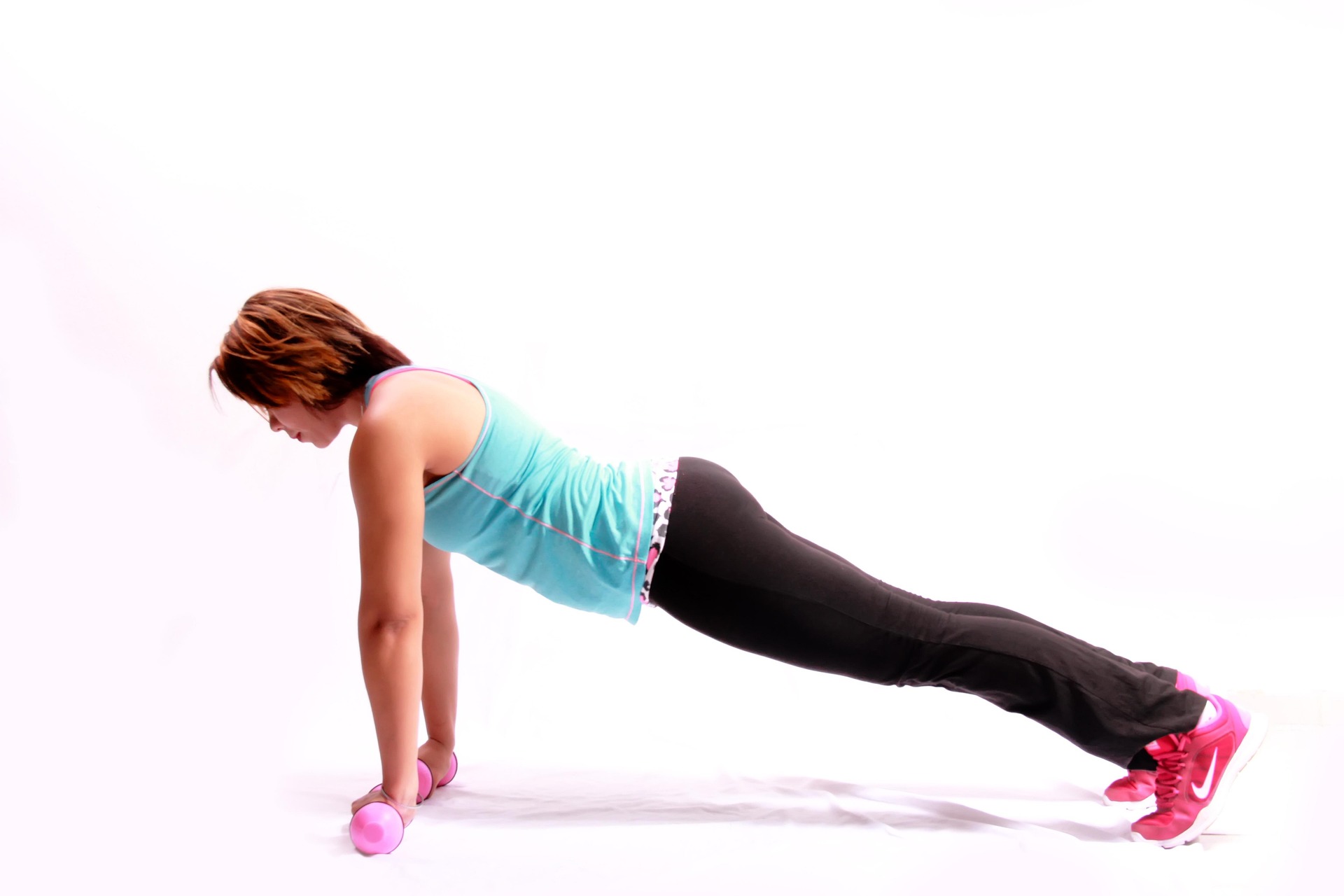
The Game Plan:
If you’re wondering how many sit-ups you should do everyday, a useful starting point for many healthy adults is 30 to 50 sit-ups a day, split into sets of 10 to 15. That is a reasonable benchmark for improving core strength and endurance, while beginners may be better starting with 10 to 20. Advanced exercisers may eventually reach 100 or more, but your fitness level, goals, age, and level of experience should guide the amount rather than simply chasing a high number.
From my experience with bodyweight exercises, more repetitions do not automatically mean better results. Sit-ups create repeated movement through the spine, so your lower back needs attention, especially if you do them everyday. Your daily sit-up benchmarks should include sensible safety guidance, and a crunch or plank can sometimes be a smarter substitute if sit-ups bother your back. Push-ups can also complement sit-ups, giving you a simple equipment-free approach to fitness, strength, and the wider benefits of regular exercise when your goal is to stay fit and build a sustainable commitment.
Below is a practical routine table that uses the supplied terms while keeping the daily targets easy to follow. One important distinction: push-ups and sit-ups are different exercises, so the table treats the sit-up numbers as the main target and mentions push-ups only as an optional part of a broader workout.
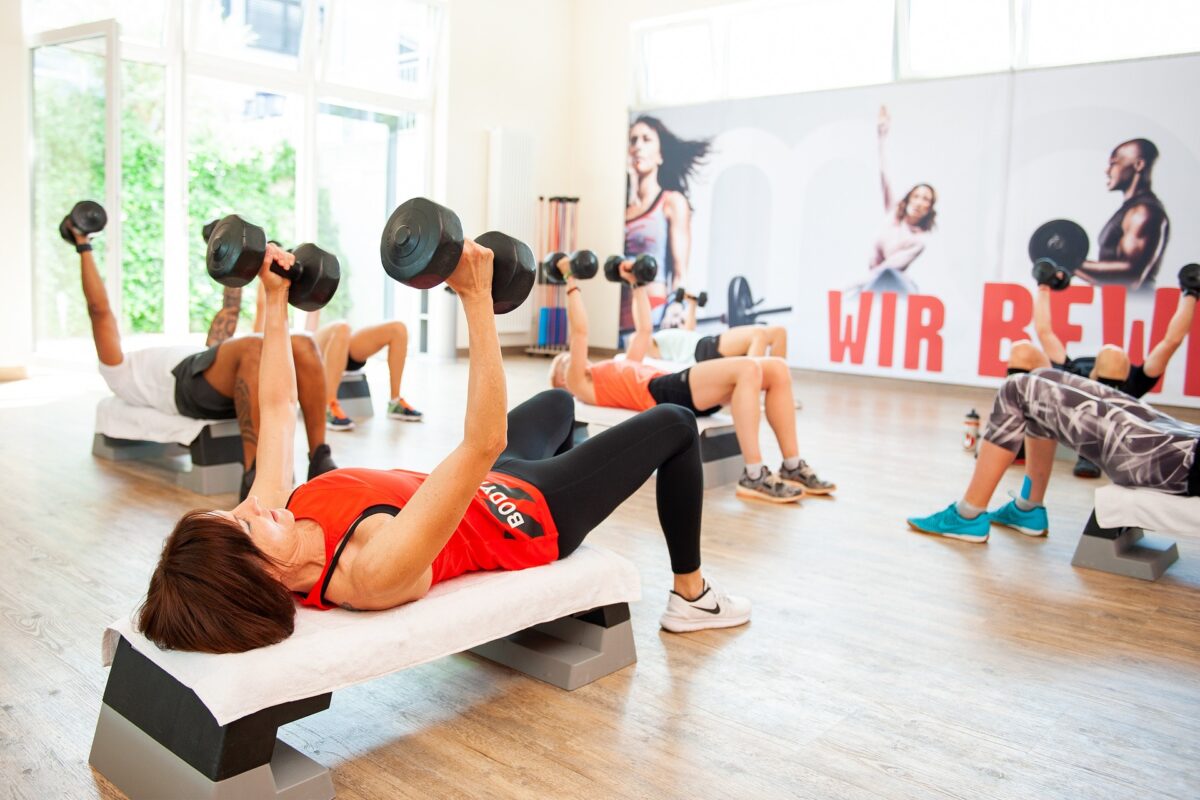
How Many Sit-Ups Should You Do a Day?
There is no single daily sit-up target that works for everyone. Your ideal number depends on your fitness level, goals, training history, and how well your lower back and abdominal muscles tolerate the movement. If you’re a complete beginner, starting with 10–16 sit-ups is more sensible than jumping straight into 75–100 reps. As your core becomes strengthened, you can gradually increase volume while keeping the exercise controlled and maintaining proper form.
| Fitness level | Daily target | Suggested structure | Rest | Main focus |
| Complete beginner | 10–16 | 2 sets of 5–8 | 60s | Learn proper form and controlled movement |
| Beginner (1–3 months) | 24–30 | 3 sets of 8–10 | 60–90s | Build basic muscular endurance |
| Intermediate | 45–60 | 3–4 sets of 15 | 60–90s | Increase training volume and control |
| Advanced | 80–100+ | 4–5 sets of 20–25 | 60–120s | Use higher intensity or weighted variations |
| Older adults (65+) | 10–24 | 2–3 sets of 5–8 | 60–90s | Controlled movement; substitute crunches if needed |
For a six-pack, doing more sit-ups is not automatically the answer. Sit-ups can help develop the core, improve muscular endurance, and contribute to firmer-looking abs, but toning the stomach also depends on overall activity, nutrition, and body-fat levels.
You may sweat heavily during a workout and still not need hundreds of repetitions. I generally prefer a clean set of slow reps over a huge number of rushed reps, because quality gives you a better chance of training the intended muscles.
A Simple Day Routine
| Time | Routine | What to do |
| Morning | Warm-up | Spend a few minutes moving gently before the exercise |
| Main session | Sit-ups | Complete your target sets and repetitions for your fitness level |
| Between sets | Recovery | Take the recommended rest and reset your core |
| After the session | Optional training | Add push-ups, a plank, or other suitable exercises |
| Later in the day | Recovery | Let your muscles recover rather than adding unnecessary extra volume |
Keep every repetition controlled. During a full-range sit-up, your shoulder blades should lift clear of the floor, while your movement remains smooth. Avoid yanking the neck, and focus on exhaling as you come upward. If your technique starts to fall apart, that is a useful signal to stop the set rather than forcing additional repetitions.
What Is the 30-Day Sit-Up Challenge for Beginners?
A 30-Day Sit-Up Challenge is a 30-day workout program designed to help beginners build abdominal strength without suddenly forcing the body to perform 100 sit-ups. The smarter approach is to build the workload across the month, using sit-ups, crunches, and other bodyweight ab exercises.
From my experience with beginner training plans, gradual progression is much easier to maintain than choosing a huge number on day one and trying to repeat it every day. The goal is not simply to count reps; it is to improve control, endurance, and confidence while giving your core enough variety to keep the routine manageable.
| Period | Daily target | Plan | Extra work |
| Week 1 | 16/day | 2 sets of 8 | 20-second plank hold on off-reps |
| Week 2 | 30/day | 3 sets of 10 | Add controlled crunches or planks |
| Week 3 | 48–60/day | 4 sets of 12–15 | Add bicycle crunches |
| Week 4 | 80/day | 4 sets of 20 | Replace one full-sit-up session with planks and reverse crunches |
| Day 30 | 70–80 quality reps | Test your comfortable capacity | Keep a plank/crunch rotation available |
A Unique Weekly Plan
You can also organize your training across Monday through Sunday rather than treating every day as an identical sit-up session. This gives the abdominal muscles different movements and avoids making the entire routine depend on one exercise. The following structure uses the supplied exercises and gradually increases the workload.
| Day | Primary routine | Additional movement |
| Monday | 15 sit-ups | — |
| Tuesday | 15 reverse crunches | — |
| Wednesday | 30 bicycle crunches | 15 reps per side |
| Thursday | 2 x 20 sit-ups | 30 seconds rest between sets |
| Friday | 20 alternating toe touches | 10 reps per side |
| Saturday | 15 double toe touches | — |
| Sunday | 20 windshield wipers | 10 reps per side |
Common Form Mistakes
When you are doing sit-ups, the number of repetitions matters less than how well you perform each exercise. Good proper technique helps you get the benefits of the movement while keeping your abs, abdominal muscles, and core doing the intended work. These are the main exercise errors to watch for:
- Using momentum: Don’t use momentum to throw your torso upward. Instead, focus on curling your body with control and deliberate movement. This keeps the abdominals engaging instead of letting speed do the work.
- Pulling the neck: Avoid yanking or pulling your neck with your hands. If your hands are behind your head, let your head rest lightly against your fingers. Your hands should not drag your head forward.
- Anchoring the feet: Avoid anchoring your feet under furniture or another object. A fixed foot position can encourage your hip flexors to take over, causing you to lift from your hips rather than properly engaging your abdominals.
- Dropping too quickly: Don’t let gravity control the entire way down. Lower your body in a controlled manner, keeping your abs active throughout the descent. This improves body control and keeps the exercise purposeful.
- Cutting the movement short: A partial range of motion simply to reach a higher rep count is not a useful shortcut. If you are doing full sit-ups, work through a comfortable range of motion while maintaining clean form rather than chasing a larger number.
- Forcing painful repetitions: If full sit-ups repeatedly bother your lower back despite using clean form, don’t treat it as a matter of willpower. Switching to crunches or planks can provide another way to train your core while reducing a movement that is causing discomfort.
Summary
Sit-ups can be useful for building foundational strength, core strength, and endurance, especially when combined with push-ups, lower body training, and cardio. They can support overall fitness, discipline, and a daily habit, but they are not a complete fitness routine. If you want a healthier body and stronger body, gradually add physical activity that trains different areas and improves your movement.
For balanced strength training and aerobic activity, aim for 150 minutes of moderate aerobic activity or 75 minutes of vigorous aerobic activity each week, plus at least two days of strength work. Crunches offer a more ab-isolated movement and may place less stress on the lower back, while yoga, Pilates, and core conditioning can improve balance and flexibility. For weight loss, increase daily activity, reduce sitting, and follow a healthy diet rather than focusing only on your midsection.
FAQ’s
How many sit-ups should a beginner do each day?
A beginner can start with a small number of controlled sit-ups and build gradually. Focus on form, a controlled range of motion, and steady reps rather than chasing speed. Your core strength and endurance can improve with consistent training, but your body also needs enough rest to let the muscles recover between hard workouts.
Do sit-ups help reduce belly fat?
No exercise can reduce fat. Sit-ups can strengthen and help define your abs, but losing belly fat or stomach fat requires an overall approach that helps you lose fat and lose weight, usually through a sustainable calorie deficit and increased total activity.
Are crunches better than full sit-ups for the abs?
Crunches keep the hips more stable and focus the abdominals directly, while full sit-ups involve more movement from the hip flexors and spine. If your goal is everyday core training, crunches and planks can be useful choices, especially if repeated sit-ups cause lower back discomfort or back strain.
Are weighted sit-ups good for building stronger abs?
Weighted sit-ups can strengthen and define the core muscles by making the exercise more challenging. However, a beginner should first master the conventional sit-up and its conventional version before adding resistance. Once your form is reliable, adding weight can create a progressively overloaded workout that supports muscle growth.
What are pulse sit-ups, and are they useful?
A pulse sit-up is a variation of the conventional movement that uses a shorter range of motion, usually around the mid-range where the muscles are working hard. Pulse sit-ups can create greater tension and maximize tension in the core muscles, while also challenging balance and coordination. They can be useful as part of a varied workout regime, but they do not need to replace every other core exercise.
Should I do sit-ups or planks for a stronger core?
Both have a place. Planks train the core isometric, meaning the muscles work without repeated spinal flexion, while sit-ups provide more dynamic strength and endurance. For many people, alternating planks and sit-ups on alternating days is a practical everyday choice, particularly when ab fatigue or lower-back stress becomes an issue.